Big tax breaks versus significant environmental and noise concerns are currently colliding in Connecticut, leaving residents facing a crucial decision regarding a proposed 44-acre AI data center in Beacon Falls.
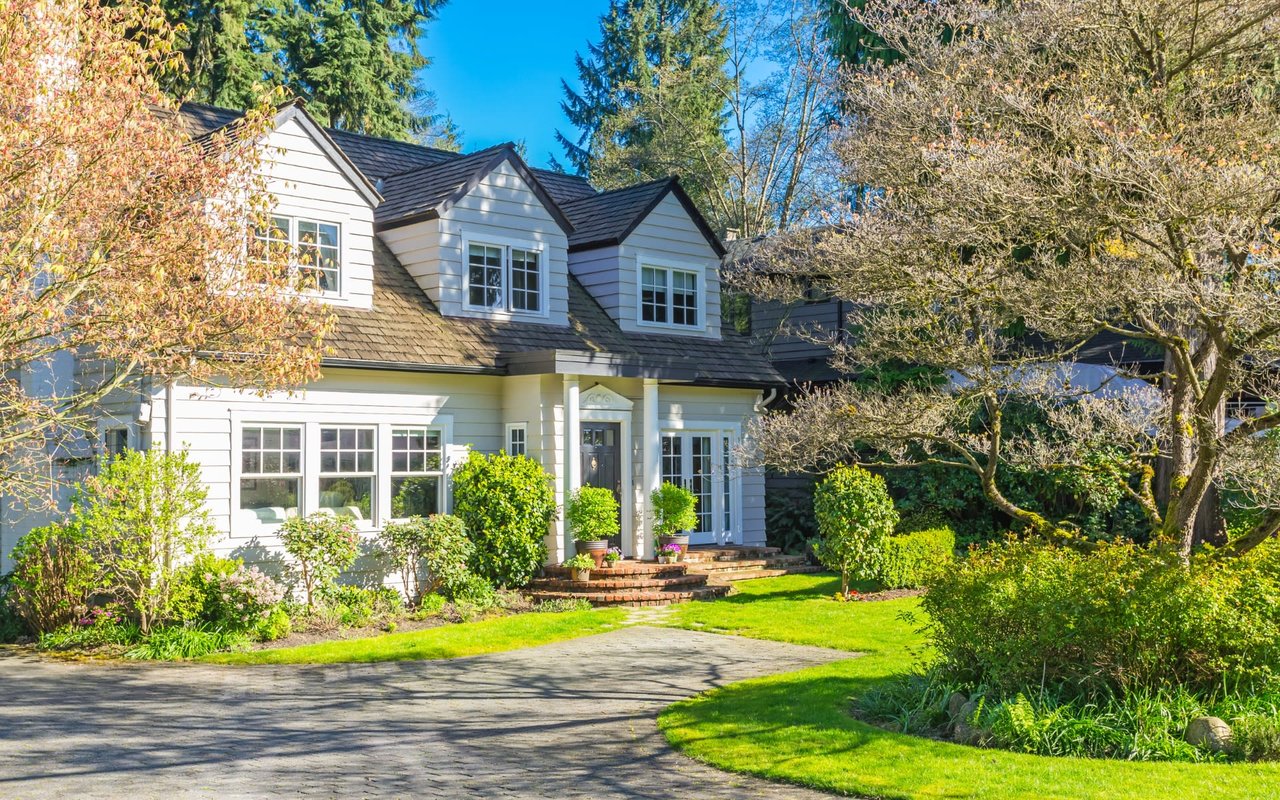
A 44-acre lot just hit the market in Beacon Falls, Connecticut, and the listing comes equipped with plans for a massive 100-megawatt artificial intelligence data center.
While proponents point to potential economic growth, local pushback has been swift, organized, and widespread as the community demands answers.
The Case for Development: Tax Relief and Economic Growth
The town's First Selectman is firmly in support of the project. The primary selling point centers on substantial tax revenue that proponents claim could potentially slash residents' property taxes by 30 to 40 percent. In his words, a development of this scale would put Beacon Falls "on the map."
For a small Connecticut town, the promise of commercial tax relief is a powerful pitch, especially as municipalities look for ways to ease the property tax burden on homeowners.
The Community Pushback: Transparency, Environment, and Noise
Despite the promise of financial relief, local residents are not sold. Thousands have already signed a petition asking for a formal moratorium on the project. Concerns run deep regarding the potential impact a 100-megawatt facility would have on the local quality of life, specifically focusing on:
Environmental impact: Questions surrounding high energy and water consumption necessary to cool massive server arrays.
Noise pollution: Concerns over the continuous hum of heavy industrial cooling equipment situated near residential areas.
Lack of transparency: Residents are pushing back against the speed of the proposal and demanding clear answers from town leadership.
The resistance is part of a broader regional trend. In fact, three other Connecticut towns have already passed formal moratoriums on similar developments as communities grapple with how to handle the data center boom.
The Big Twist: No Buyer Yet
Adding to the uncertainty surrounding the project is a major wildcard: there is currently no buyer attached to the land or the plans. The listing presents the concept, but no corporate entity has stepped forward to claim it. Local skepticism is further fueled by the fact that a previous iteration of this project ultimately fell through because no buyer ever signed on.
The Bigger Picture
This debate highlights a growing tension across Connecticut and the wider region. As the demand for AI infrastructure skyrockets, towns are forced to weigh the financial incentives of massive tech developments against the long-term character, environment, and peace of their local communities.
Would you want a massive data center in your backyard?